



Understanding how football referees are appointed clears up a surprising amount of the weekly argument about them. Referees are not allocated at random, they do not choose their own fixtures, and they are marked on every match they officiate by somebody whose job is to assess them which means the system has more structure than the complaints about it suggest.
It also explains the things supporters find suspicious. Why the same official keeps getting your club. Why a referee who made a visible error is in the middle at a big game a fortnight later. Why some officials never take charge of a derby at all.
The level system
English refereeing runs on a numbered ladder. A new referee starts at the bottom and works up through the levels, taking charge of progressively higher football as they are promoted, with each step requiring both a minimum number of matches and satisfactory assessments.
At the top sit the officials on the national list, and above that a small professional group handling the top division. Beyond domestic football there is an international list, which is how referees become eligible for European and world competitions.
Promotion is not automatic with experience. A referee can officiate for years at one level without moving, because movement depends on assessment rather than service. The FA publishes the pathway and the requirements at each stage.
Who actually makes the appointments
A central appointments body rather than the clubs or the competition. For the professional game in England that function sits with the organisation responsible for match officials, which allocates referees, assistants and fourth officials to fixtures a short time in advance.
The allocation is not a lottery. It accounts for the significance of the fixture, the referee’s recent assessments, how recently they have refereed either club, and a set of conflict rules officials are not appointed to matches involving clubs they support or clubs from their immediate home area.
That last rule is the answer to one of the most common supporter complaints. A referee from the north west will not take charge of certain fixtures, which narrows the pool for those games and means the same handful of officials appear repeatedly at them. It looks like a pattern because it is one, just not the pattern people assume.
How are referees actually marked?
By an observer at the match, working to a standard framework. The assessment covers the obvious things major decisions, positioning, fitness, consistency and some less obvious ones, including communication with players, management of the technical areas and how the official handled the specific flashpoints of that game.
The decisions that carry most weight are the ones with the largest consequences: penalties, red cards, goals allowed or disallowed, mistaken identity. Getting one of those wrong costs a referee far more in assessment terms than a scatter of minor errors, which is rational and also why officials are so cautious about the big calls.
Marks accumulate across a season and feed directly into promotion, retention or demotion. A referee having a poor run will find themselves on smaller fixtures, which is the system’s quiet way of managing form without announcing anything.
Why a referee reappears after a visible mistake
Because the assessment is of the whole performance across a season, not of the clip that went viral. An official who made one high-profile error in an otherwise strong campaign is, by the system’s own logic, one of the better referees available and benching them would mean appointing somebody rated lower.
There is also a supply problem. The pool of officials qualified for top-flight football is small, the fixture list is relentless, and the conflict rules remove several names from every weekend’s biggest games before anybody considers form. A competition cannot stand down its best referees without the standard falling.
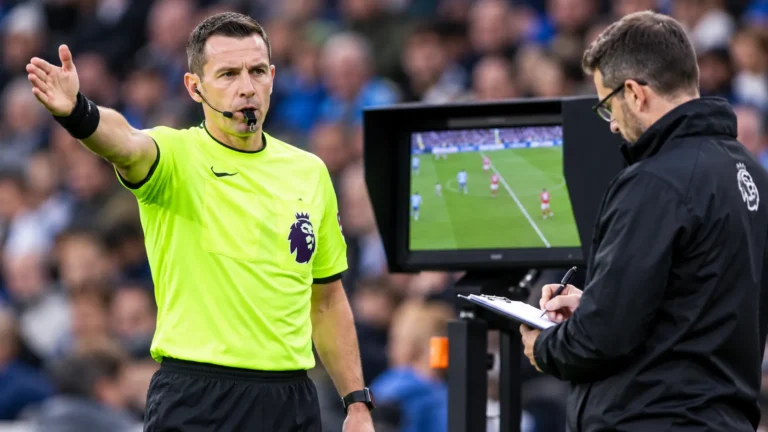
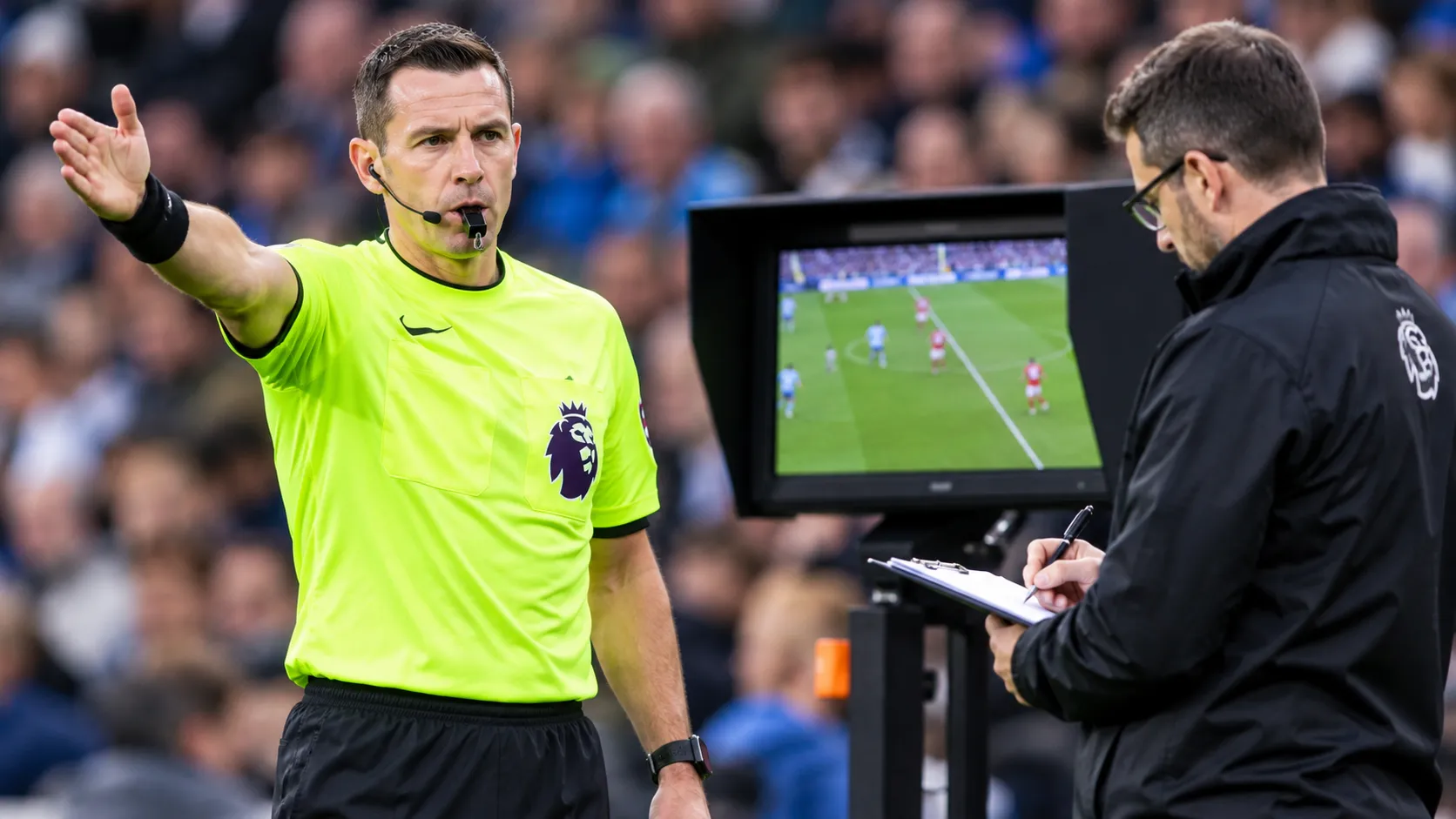
What does happen, less visibly, is reassignment. An official under scrutiny gets a quieter fixture, or a spell on video review duty, or a run in a lower division, and then returns. Supporters interpret the absence of an announcement as the absence of a consequence.
How did professionalisation change the job?
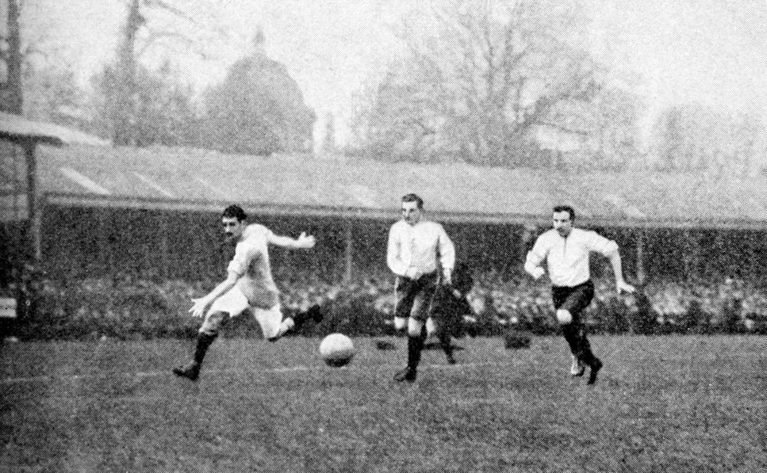
For most of football’s history referees were amateurs with other careers, fitting matches around work. The top group in England became full-time professionals in the early 2000s, which changed both the preparation and the expectations.
The practical effects are substantial: proper fitness programmes, video review of their own performances, pre-match briefings on the clubs involved, and consistent coaching from a central body. The standard of positioning and fitness is visibly higher than it was thirty years ago, whatever the weekly discourse suggests.
What professionalisation has not solved is the subjectivity. A great many football decisions are judgements rather than facts, and no amount of training produces agreement on where a line should fall which is why the arguments continue regardless of how well the system works.
What the officials used to wear
Worth a short detour, because referees’ kit has its own history and it is more deliberate than it looks. For most of the twentieth century officials wore black, which is where “the man in black” comes from, and the choice was practical: black was distinct from almost every club colour in use.
That stopped working as kits diversified. Once clubs began wearing black and dark away shirts routinely, a black-clad official was a clash risk, and the modern range of official colours green, yellow, red, blue exists to guarantee separation from both sides in any fixture.
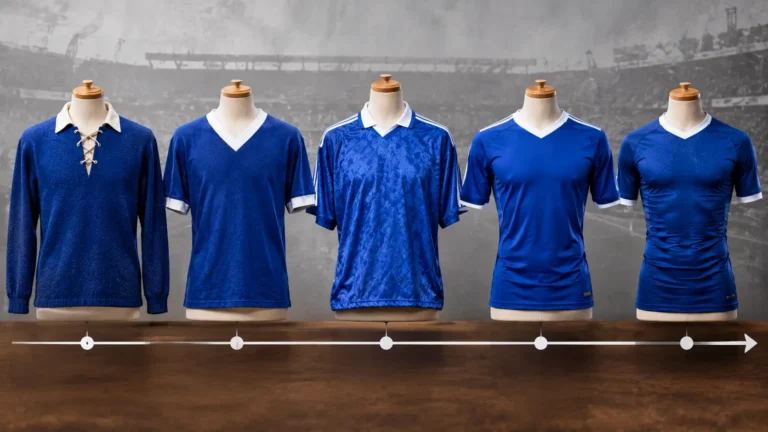
The badges tell a story too. A referee’s shirt carries marks indicating the competition and sometimes the official’s level, which is the same logic that governs player kit, as the history of the football shirt describes. Officials are part of the visual record of a match and are almost never treated as such.
Why the shortage matters more than the standard
The real problem in English refereeing is not the officials at the top but the number entering at the bottom. Grassroots refereeing has a serious recruitment and retention problem, driven overwhelmingly by abuse from players, coaches and spectators at junior and amateur level.
That matters because the ladder only works if the bottom rung is full. A thin intake at level seven produces a thin pool at the national list fifteen years later, and the professional game is currently drawing from a base that is not replenishing itself at the rate it needs.
Anyone who has watched a teenage referee being shouted at by adults on a Sunday morning has seen the mechanism directly. It is the single most fixable problem in the sport and the one least affected by anything the top of the game does. The rules those officials enforce have shifted enormously over time, which is part of why some football positions disappeared.
Frequently asked questions
Do referees choose their own matches?
No. A central appointments body allocates officials to fixtures, accounting for the match’s significance, the referee’s recent assessments and a set of conflict rules.
Why does the same referee keep getting my club?
Partly the conflict rules, which remove officials based near either club from consideration and so narrow the available pool for certain fixtures, and partly the small size of the top-level group.
How are referees assessed?
By an observer at each match, marking major decisions, positioning, fitness, consistency and player management. Marks accumulate across a season and determine promotion or demotion.
When did English referees turn professional?
The top group became full-time in the early 2000s. Below that level, refereeing remains part-time or voluntary.
About the Author